
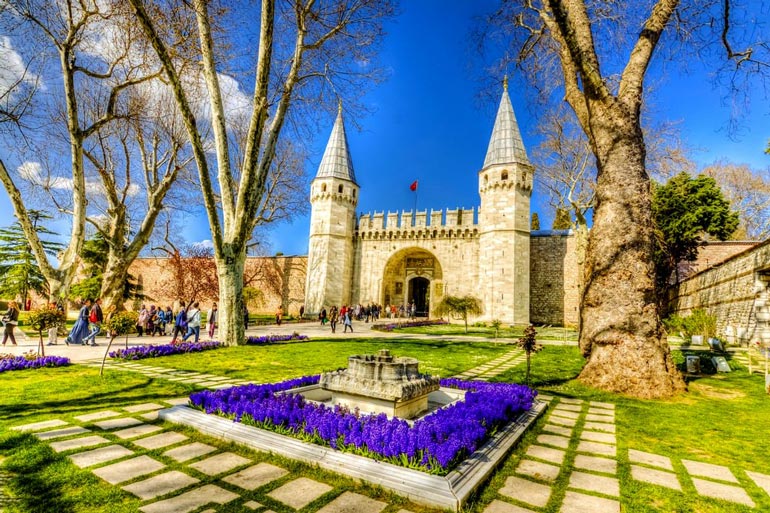
Topkapi Palace is one of the largest and most famous historical buildings in Turkey, located in Istanbul. This musium palace, which once served as the center of power for the Ottoman sultans, has now been transformed into a museum filled with historical and cultural artifacts. The palace was built in 1459 by Sultan Mehmed II, following the conquest of Istanbul, and served as the residence and administrative center of the Ottoman sultans for over 400 years.
Geographical Location of Topkapi Palace museum
Topkapi Palace is situated in one of the most strategic locations in Istanbul, between the Bosphorus Strait and the Sea of Marmara. The location of the palace allowed the Ottomans to control not only the military and political landscape of the region but also its commercial, cultural, and religious dynamics. Today, it remains a central attraction alongside other historical landmarks in Istanbul, such as the Blue Mosque and Hagia Sophia.
Architecture of Topkapi Palace
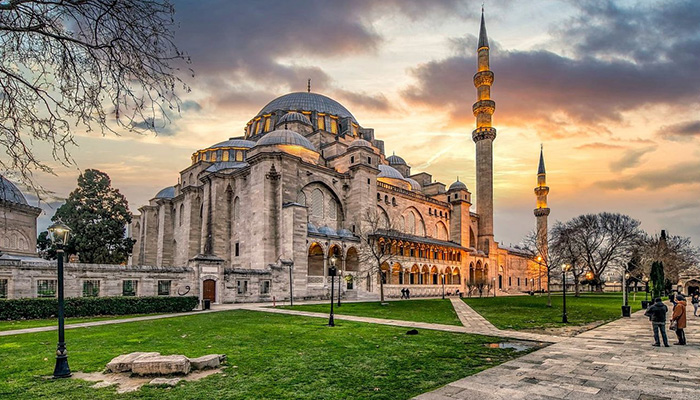
The architecture of Topkapi Palace, with its beautiful and intricate design, stands as a symbol of the grandeur and power of the Ottoman Empire. The palace combines Islamic and Ottoman architectural styles. The palace is divided into three main sections:
1. First Courtyard: The Public Courtyard
The first courtyard, which includes the “Gate of the Imperial Gate,” was where the general public, servants, and the lower-ranking officials could freely enter. This section of the palace was primarily for public activities, such as kitchens, storage rooms, and other supporting structures.
2. Second Courtyard: The Imperial Courtyard
The second courtyard was where higher-ranking officials, the imperial family, and the elite lived. This area was more secure and less accessible to the general public. Here, visitors can find important art collections, paintings, and other valuable artifacts related to the Ottoman court.
3. Third Courtyard: The Private Courtyard
This section was reserved for the royal family and included the private living quarters of the sultans. The Harem, imperial halls, and private rooms of the sultans were located in this area. This part of the palace is known for its beautiful gardens and trees that provide a peaceful and private environment.
What is special about Topkapi Palace?
The Harem: The Heart of Royal Life
Decorations and Interior Design of the Palace
Museum Artifacts and Royal Jewels
Gardens and Outdoor Areas of the Palace
Historical Changes in the Palace
The Harem: The Heart of Royal Life
The Harem is one of the most significant parts of Topkapi Palace, where the royal women and the Sultan’s servants resided. This section was off-limits to most people, and only specific individuals could enter. Today, visitors can explore the various rooms of the Harem and learn about the personal lives of the sultans and their families.
Decorations and Interior Design of the Palace
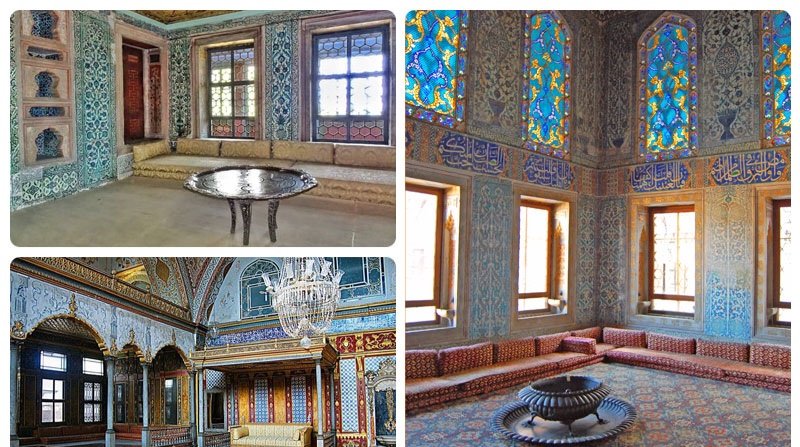
Topkapi Palace is decorated with exquisite Iznik tiles, wall paintings, wood carvings, and large doors, reflecting the artistic talent of Ottoman craftsmen. These decorations, along with the many treasures on display, showcase the artistic and cultural legacy of the empire. Visitors can admire the intricate details of the palace’s design, which enhances the overall sense of magnificence.
Museum Artifacts and Royal Jewels
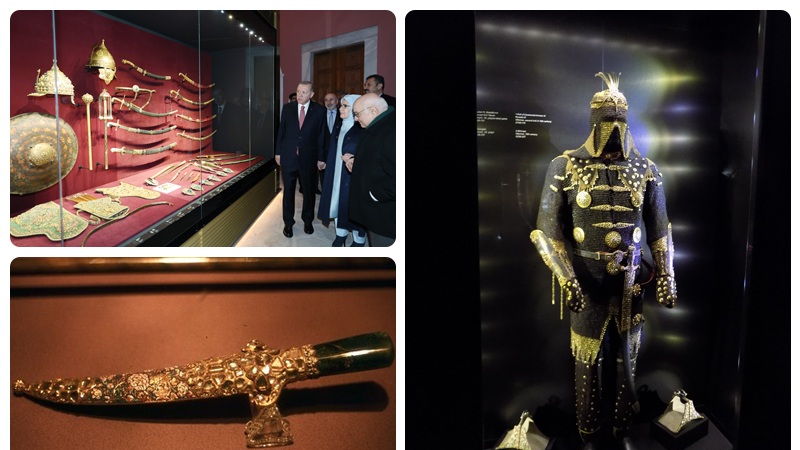
Today, Topkapi Palace is home to one of the most important collections of Islamic and Ottoman treasures in the world. The palace houses religious relics such as the sword of Prophet Muhammad (PBUH), pieces of his hair, and other sacred items. The royal jewels, including crowns, necklaces, and other precious ornaments, are also displayed in the museum, offering visitors a glimpse into the luxury of the Ottoman court.
Gardens and Outdoor Areas of the Palace
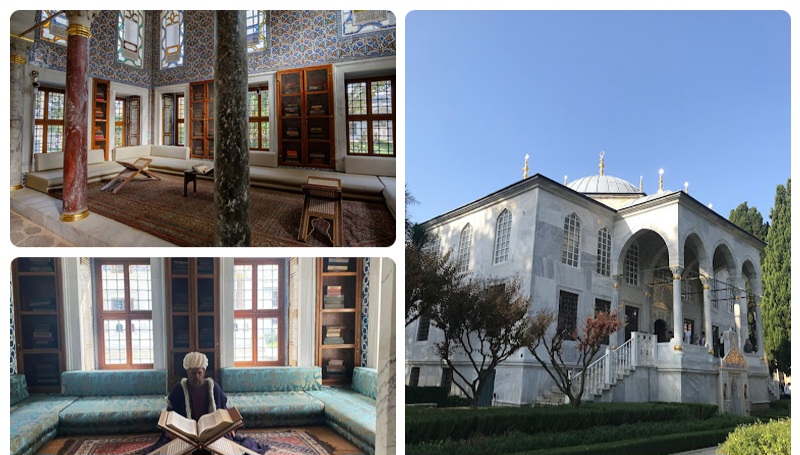
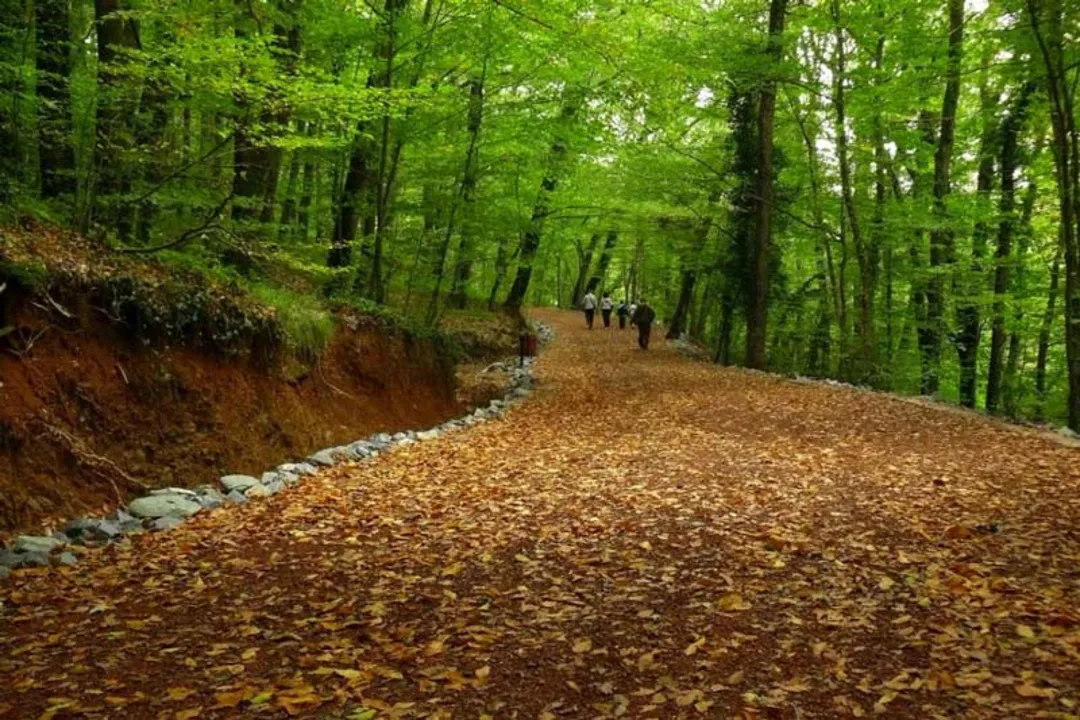
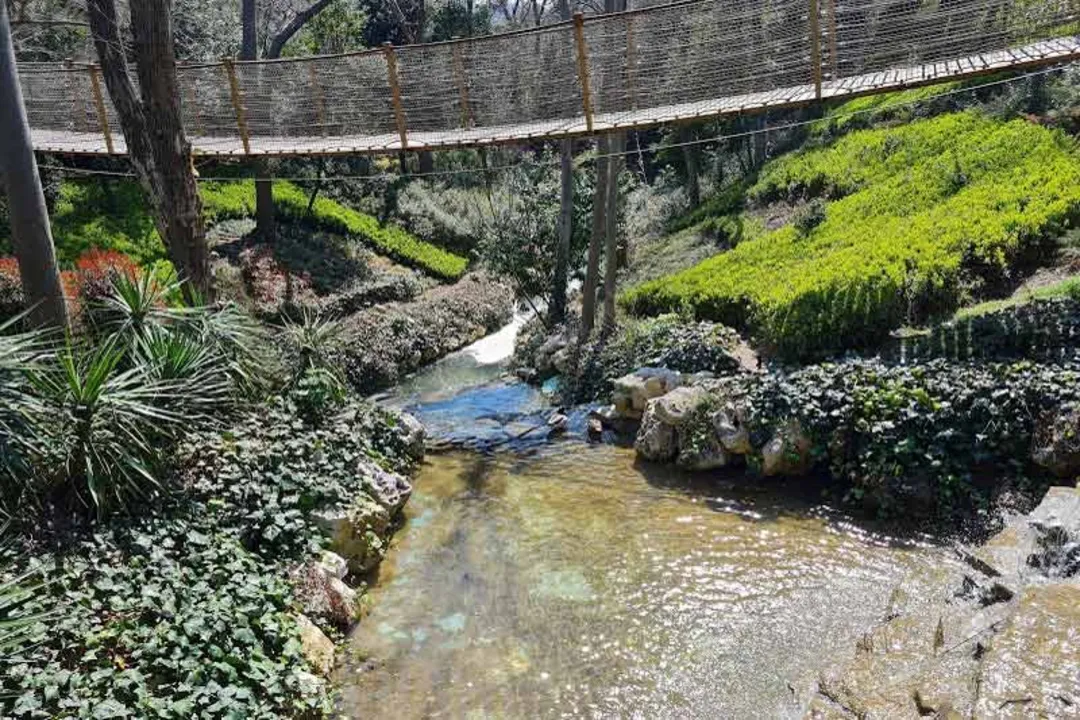
Surrounding the palace are vast, beautiful gardens designed for the relaxation and leisure of the Ottoman sultans. These gardens, with their tall trees, flowers, and flowing streams, create a serene atmosphere. In the summer months, these gardens were used for royal ceremonies and festivities, providing a stunning setting for gatherings.
Historical Changes in the Palace
Throughout its history, Topkapi Palace underwent many changes. After the fall of the Ottoman Empire and the establishment of the Republic of Turkey in 1923, the palace was converted into a museum, preserving its historical significance and transforming it into a cultural and educational institution. Today, it stands not only as a symbol of Ottoman power but also as a beacon of Islamic culture and art.
Conclusion
Topkapi Palace holds a special place in the history of the Ottoman Empire. Today, it is one of the most significant museums in the Islamic world, offering a unique experience to visitors who wish to learn about the grandeur of the Ottoman period. A visit to this palace is a journey into the past, providing a fascinating look into the political, cultural, and personal lives of the sultans who ruled one of the most powerful empires in history.
🏛️ Frequently Asked Questions about Topkapi Palace
❓ General Questions
- Where is Topkapi Palace located?
Topkapi Palace is in Istanbul, Turkey, in the Sultanahmet district, close to Hagia Sophia. - What are the visiting hours of Topkapi Palace?
Typically open from 9:00 AM to 6:00 PM. It is closed on Tuesdays. (Check the official website for current hours.) - How much is the entrance ticket?
Ticket prices vary. Some sections, like the Harem, require a separate ticket. Discounts are available for students and children. - Should I book my ticket in advance?
Yes, especially during peak seasons (spring and summer), it’s recommended to buy tickets online to avoid long lines.
🕌 Historical & Cultural Questions
- Who built Topkapi Palace?
It was built by Sultan Mehmed II (Mehmed the Conqueror) in the 15th century after the conquest of Constantinople. - Why is Topkapi Palace historically significant?
It served as the residence of Ottoman sultans and the administrative center of the Ottoman Empire for over 400 years. - What does “Topkapi” mean?
In Turkish, “Topkapi” means “Cannon Gate” (“Top” = cannon, “Kapi” = gate).
📸 Visiting Experience
- Which parts of the palace can be visited?
- The Four Main Courtyards
- Imperial Treasury (Ottoman jewels and artifacts)
- Library of Ahmed III
- Imperial Kitchens
- The Harem (requires separate ticket)
- Sacred Islamic Relics section
- Is photography allowed?
Photography is allowed in many areas, but in sections like the Treasury or Sacred Relics, it is often prohibited. - How much time should I plan for the visit?
A full visit typically takes at least 3 to 4 hours.
📍 Practical Questions
- What is the nearest public transport stop?
The nearest tram stop is Sultanahmet Station. - Are guided tours available?
Yes, official guides are available at the entrance, and audio guides can also be rented. - Is it suitable for children?
Yes, but some sections (like the Treasury) might not hold children’s attention for long. - Is it accessible for visitors with disabilities?
Some areas have ramps or alternative paths, but due to the palace’s historical structure, not all sections are fully accessible.




Leave a Reply