
Hagia Sophia, The most magical mosque in the world! Location of this tourism attraction is in one of the most popular cities in the world. Yes, Istanbul! If you head up to travel to this city, I highly recommend you to visit The Hagia Sophia mosque.
The Hagia Sophia mosque
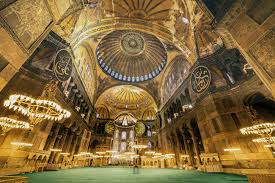
In the first glance you might consider it as a simple historical site but it’s more than a historical or religious place, in fact it’s a combination of museum and mosque. Now let’s discover this place further by history, culture and special architectural features.
History, culture and political effects on Hagia Sophia
The Hagia Sophia, or Ayasofya in Turkish, is one of the most iconic and historically rich monuments in the world. Located in Istanbul, Turkey, it has stood at the crossroads of civilizations for nearly 1,500 years, embodying the cultural, religious, and political shifts of the region.
Built between 532 and 537 AD under the direction of the Byzantine Emperor Justinian I, the Hagia Sophia was originally designed as a Christian cathedral and served as the spiritual heart of the Byzantine Empire.
It was considered an architectural marvel of its time, especially due to its enormous dome, which spans over 31 meters in diameter and appears to float above the main hall, creating an awe-inspiring sense of space and light.
This dome was a pioneering engineering achievement that inspired the construction of many future religious buildings, including the famous Blue Mosque nearby.
The Hagia Sophia’s significance goes beyond its physical structure—it represents centuries of religious devotion, political power, artistic achievement, and cultural exchange.Standing within its vast halls, one can feel the layers of history embedded in its walls, from the chants of Byzantine liturgies to the calls to prayer that echo through its minarets.
It is a living monument to humanity’s ability to adapt, preserve, and celebrate diverse heritages, making it one of the most treasured and inspiring landmarks in the world.
Architect and religious facts of Hagia
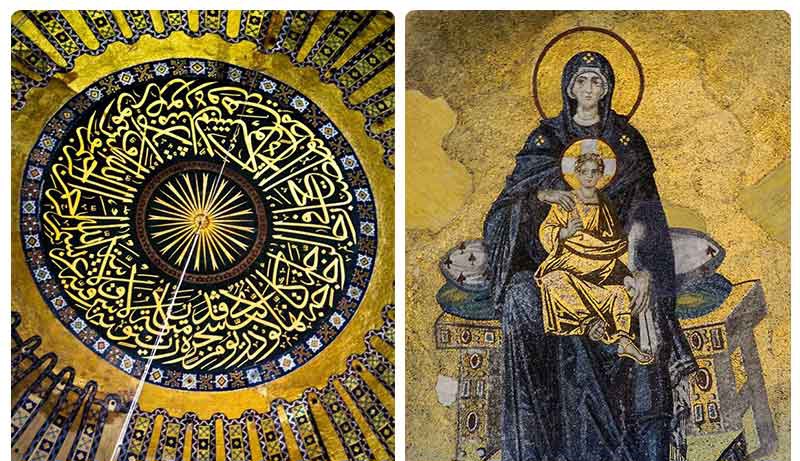
SophiaThe interior of Hagia Sophia is adorned with intricate mosaics that depict religious scenes, emperors, and saints. These mosaics are masterpieces of Byzantine art, created with millions of tiny glass and gold tiles that shimmer in the natural light.
Some of the mosaics were covered or removed after the building’s conversion into a mosque, but many have been restored and remain visible today. In 1453, when the Ottoman Empire, led by Sultan Mehmed II, conquered Constantinople, the Hagia Sophia was transformed from a cathedral into a mosque.
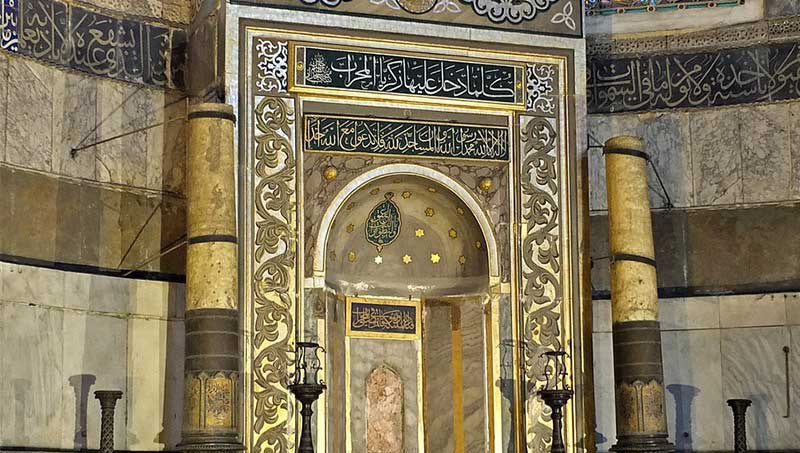
Islamic features such as minarets, a mihrab (prayer niche), and a minbar (pulpit) were added, integrating the building into the Islamic religious tradition while preserving much of its original Christian artwork.
Large circular wooden panels bearing the names of Allah, Prophet Muhammad, and the first four caliphs were also installed, emphasizing the mosque’s Islamic identity.
The Hagia Sophia remained a mosque for nearly 500 years until 1935 when the Republic of Turkey, under Mustafa Kemal Atatürk, secularized the building and converted it into a museum.
This decision was part of broader efforts to modernize Turkey and promote secularism, allowing people of all backgrounds to appreciate the site’s historical and artistic significance without religious barriers.
As a museum, the Hagia Sophia attracted millions of visitors annually from around the world and became a UNESCO World Heritage Site in 1985.In 2020, the Hagia Sophia was reconverted into a mosque, a move that sparked international discussion but also underscored the building’s enduring religious and cultural importance.
Despite functioning as a mosque, it remains open to visitors outside prayer times, continuing its role as a bridge between cultures, religions, and histories.
Other attractions that are near to Hagia Sophia
- Topkapi Palace Distance: 0:0 Kilometer
- Khoram Sultan bathroom Distance: 0/2 kilometer
- Basilica Cistern distance: 0/3 kilometer
- Historical museum distance: 0/4 kilometer
- Sultan Ahmed Mosque distance:0/5 kilometer
- Galata Tower distance: 2/9 kilometer
How to get there?
location_onSultan Ahmet, Ayasofya Meydanı No:1, 34122 Fatih/İstanbul, Turkey
Access_time: 09_17
Important notes 📝
- Visiting Hagia Sophia isn’t free
- Photography is forbidden
The Blue Mosque: An inside decoration Masterpiece of Ottoman Architecture
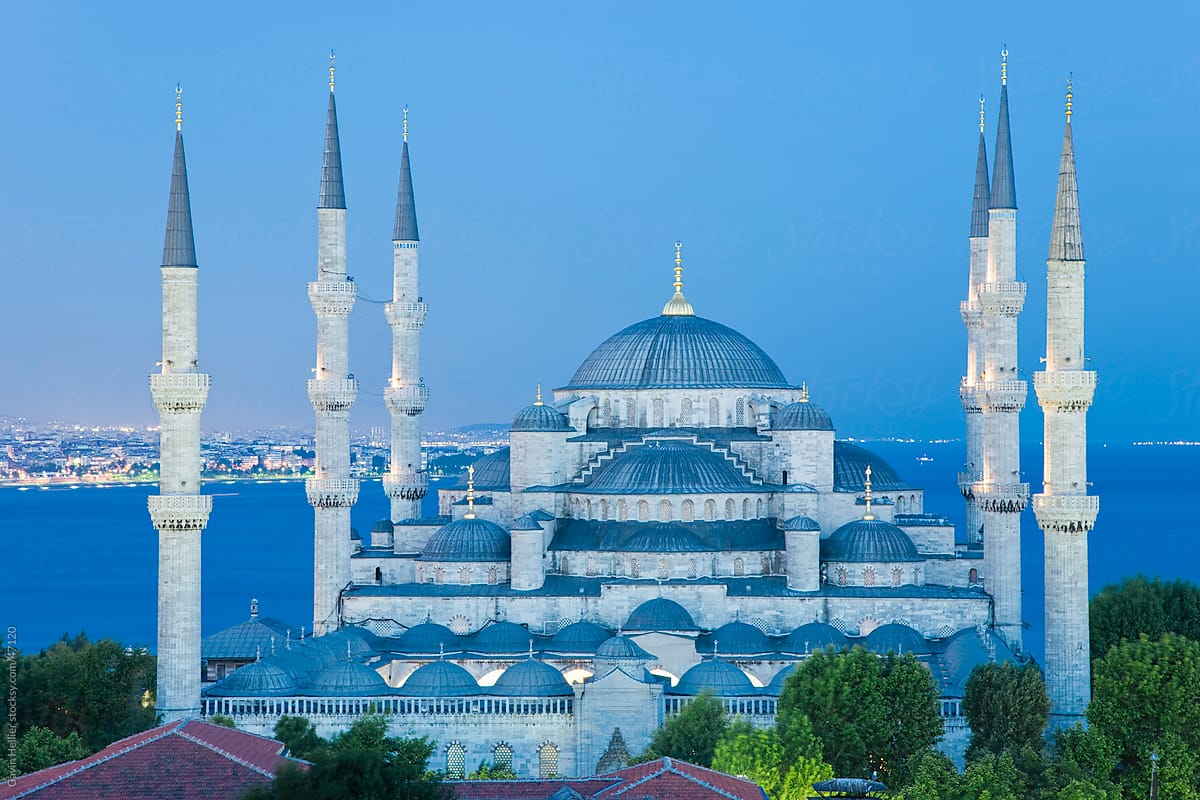
The Blue Mosque, officially known as Sultan Ahmed Mosque, is one of Istanbul’s most famous and breathtaking landmarks.
This place is mostly known for its internal decoration among tourists. Built between 1609 and 1616 during the reign of Sultan Ahmed I, this mosque stands as a symbol of Ottoman grandeur, spirituality, and architectural innovation.
Architectural Marvel and Design
The mosque earned its popular name, the “Blue Mosque,” from the dazzling blue İznik tiles that adorn its interior walls.Over 20,000 handmade ceramic tiles with intricate floral and geometric patterns cover the prayer hall, creating a serene and mesmerizing atmosphere.
The mosque’s vast central dome, supported by four massive pillars, is surrounded by several smaller domes and half-domes, demonstrating the sophisticated engineering skills of Ottoman architects.
The Blue Mosque features six slender minarets, a rarity in Islamic architecture at the time of its construction.
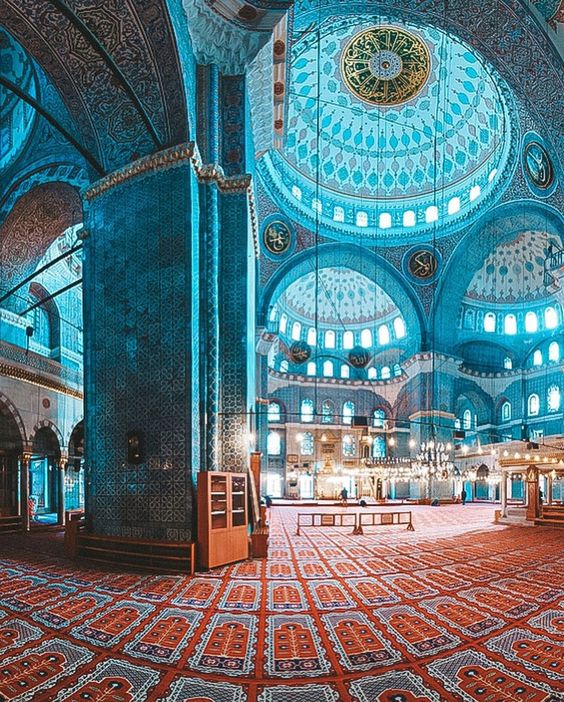
Its courtyard is one of the largest in Istanbul, designed to accommodate thousands of worshippers during major religious events.
Spiritual and Cultural Significance
Built to reaffirm Ottoman power and religious devotion, the Blue Mosque serves both as a place of worship and a symbol of Istanbul’s identity. It was constructed opposite the Hagia Sophia to showcase the empire’s glory and to continue Istanbul’s legacy as a spiritual and cultural center.
The mosque remains active today, welcoming thousands of visitors and worshippers daily. Its serene ambiance, magnificent design, and historical importance make it a must-visit destination for anyone traveling to Istanbul.
Visiting the Blue Mosque
Visitors to the Blue Mosque are advised to dress modestly and respectfully, as it remains a functioning place of worship.Non-Muslim visitors can explore the mosque outside prayer times, enjoying the stunning architecture and peaceful interior.
location_onSultan Ahmet, Ayasofya Meydanı No:1, 34122 Fatih/İstanbul, Turkey
Access_time: 09_17
Important notes
- Visiting Blue Mosque is free
- Photography is allowed but you have to decrease your flash camera
Rüstem Pasha Mosque: A Jewel of Ottoman Art Located in the historic Eminönü district of Istanbul
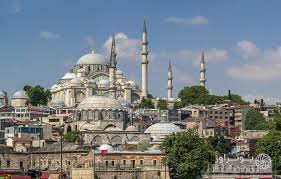
the Rüstem Pasha Mosque is renowned for its exquisite İznik tile decoration and elegant Ottoman architecture. Commissioned by the Grand Vizier Rüstem Pasha and completed in 1563, this mosque stands out as a masterpiece of the classical Ottoman period.
Architectural and Artistic Highlights
The mosque’s most remarkable feature is its extensive use of İznik tiles, which cover much of the interior walls, the mihrab (prayer niche), and the minbar (pulpit).These tiles are famous for their vibrant colors, intricate floral patterns, and exceptional craftsmanship.
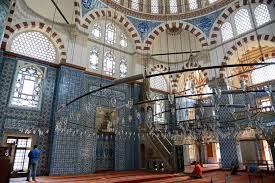
The blue, turquoise, and red hues create a stunning visual harmony, earning the mosque a special place in the history of Islamic art.Designed by the great Ottoman architect Mimar Sinan, the mosque showcases his genius in creating harmonious proportions and integrating decorative art with structural elegance.
Historical Context
Rüstem Pasha, the mosque’s patron, was an influential figure in the Ottoman Empire and the husband of Sultan Suleiman the Magnificent’s daughter, Mihrimah Sultan.The mosque not only served as a place of worship but also as a symbol of Rüstem Pasha’s status and devotion.
Visiting the Mosque
Though relatively small compared to other Istanbul mosques, the Rüstem Pasha Mosque attracts visitors for its unique artistic beauty.Its location near the bustling Spice Bazaar makes it an accessible and rewarding stop for tourists exploring the historic city center.
How to go?
Access_time: 09_17
Important notes
- Visiting Rüstem Pasha is free
- Photography is allowed
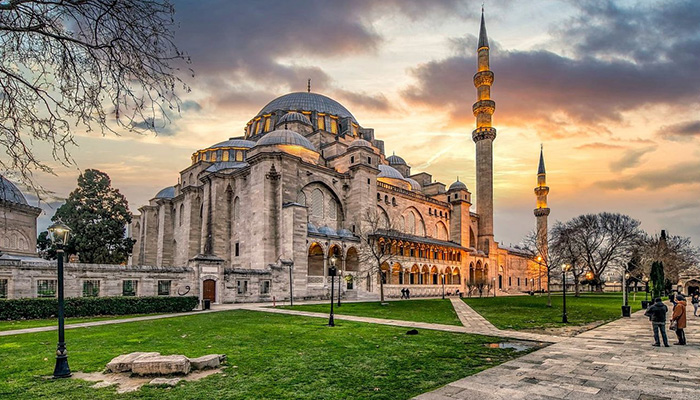
(Süleymaniye Mosque)Süleymaniye Mosque: An Architectural Masterpiece of the Ottoman Era
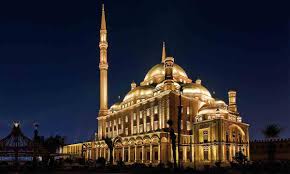
Süleymaniye Mosque, located on one of Istanbul’s seven hills, is one of the most magnificent and historically significant mosques in Turkey. Commissioned by Sultan Suleiman the Magnificent and designed by the renowned architect Mimar Sinan, it was completed in 1557 and remains a symbol of Ottoman power, culture, and architectural brilliance.
Architectural Grandeur
The mosque complex features a grand central dome, four slender minarets, and an expansive courtyard.
Its design harmoniously blends Islamic architecture with Byzantine influences, showcasing Mimar Sinan’s genius in creating spacious, well-lit interiors that evoke spiritual serenity.
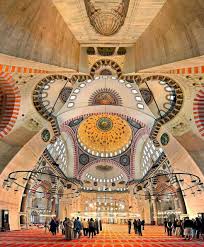
Inside, the mosque is adorned with elegant calligraphy, intricate tile work, and beautifully crafted stained-glass windows that fill the space with colorful light. The complex also includes a madrasa, a hospital, a library, and public baths, reflecting its role as a center of community life.
Historical and Cultural Significance
Süleymaniye Mosque was built not only as a place of worship but also as a symbol of Sultan Suleiman’s reign, known as the “Golden Age” of the Ottoman Empire.
It demonstrates the empire’s wealth, artistic achievements, and religious devotion.The mosque complex serves as a final resting place for Sultan Suleiman and his wife Hürrem Sultan, making it an important site of Ottoman heritage and history.
Visiting Süleymaniye Mosque
Today, the mosque remains an active place of worship and a major tourist attraction. Visitors can admire its stunning architecture, peaceful ambiance, and breathtaking views of Istanbul from its elevated location.
How to go?
Access_time: 09_17
Important note
- Visiting Sulmaniye mosque is free
About the Author
Hello! I’m Samira Tiari, and I’ve been living in Istanbul for two years now. Every street I’ve mentioned in this article has been a part of my personal journey—full of inspiration, culture, and beauty.
I love sharing my experiences to help travelers like you explore Istanbul not just as tourists, but as true street explorers.
If you have any questions, stories, or suggestions, feel free to share them in the comments. I’d love to hear about your adventures!



Leave a Reply