
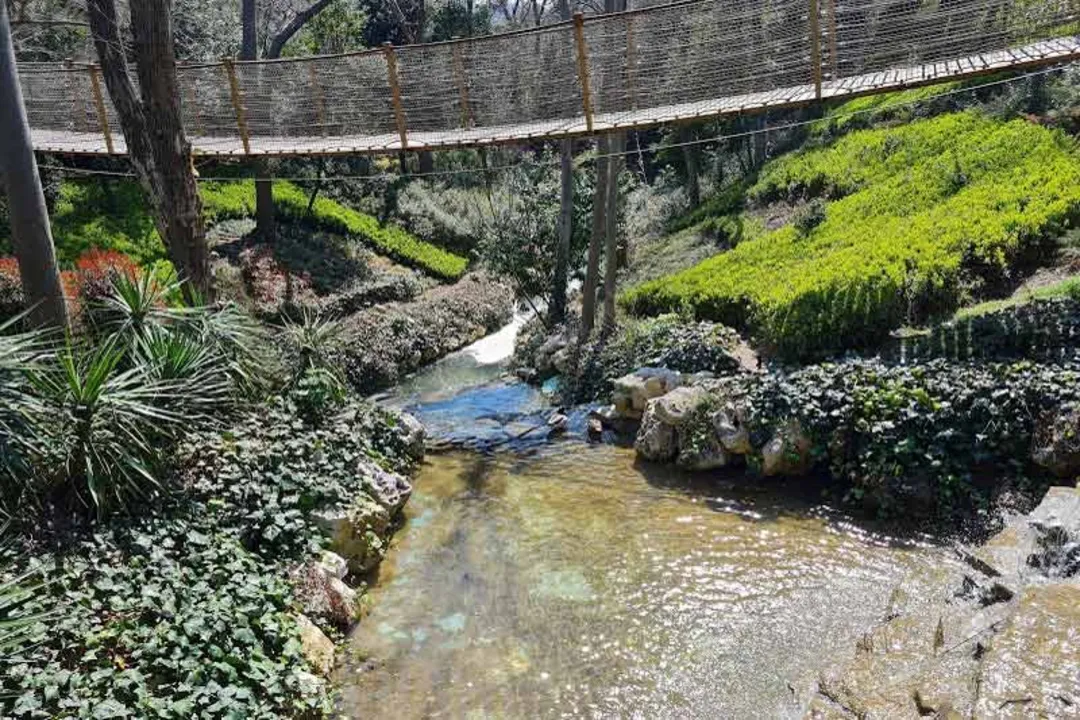
Yildiz Park or the Yildiz Royal Garden is one of the natural tourist attraction with a long history in Istanbul, Turkey, filled with flowers, plants, and fascinating trees collected from all over the world during the Ottoman era.
Duration of visit: Between 2 to 3 hours
Entrance fee: Free
Address: Ciragan Cad. | Besiktas, Istanbul, Turkey
Yildiz Park is one of the oldest and largest parks in Istanbul and attracts many tourists every year. The park has witnessed the reign of many kings, each leaving their own mark. The blooming colorful flowers in spring are especially worth seeing.
About Yildiz Park
The Yildiz Royal Garden, now mostly known as Yildiz Park, is a historic urban park. It is one of the largest public parks in Istanbul and visiting it can be an interesting experience during your trip.
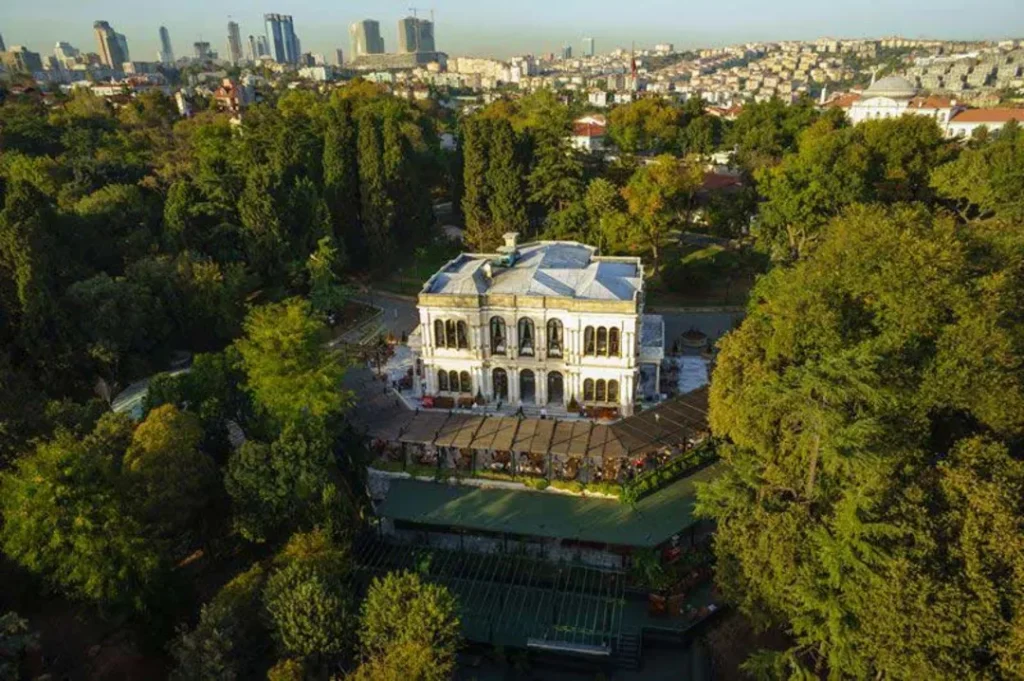
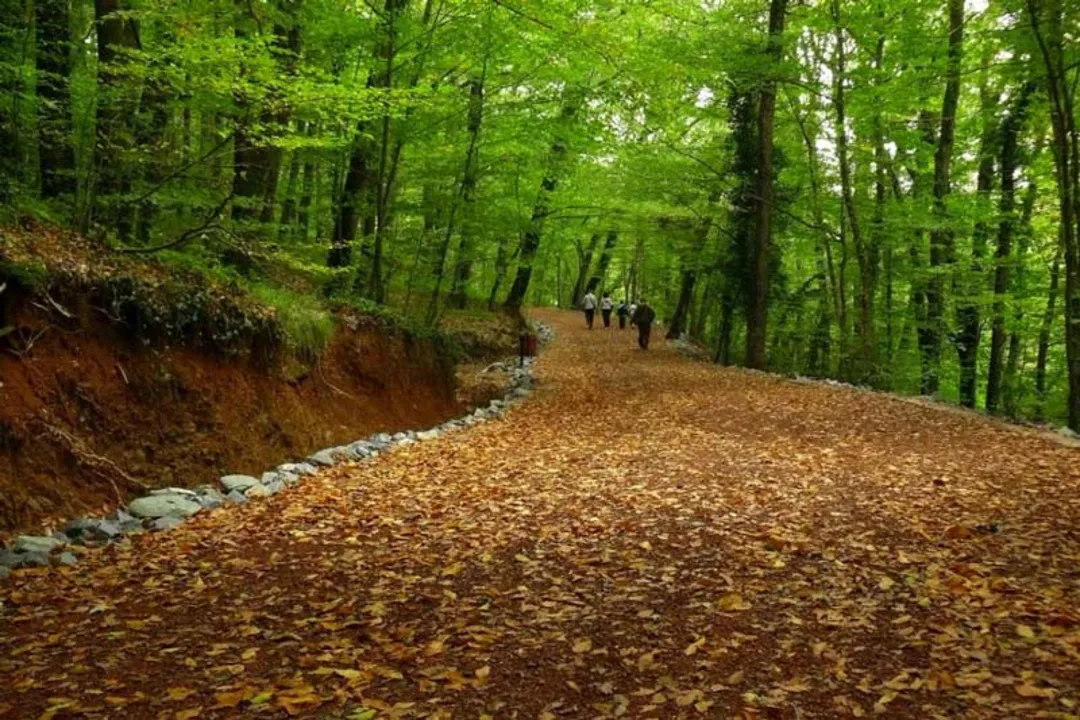
Yildiz Park in istanbul was once part of the royal garden of Yildiz Palace. During the reign of Sultan Abdulhamid II, the park was enclosed by walls and reserved exclusively for palace residents. Today, Yildiz Park is a beautiful garden with flowers, plants, and fascinating trees gathered from around the world during the Ottoman era. From the park, you can enjoy a wide view of the Bosphorus Strait. It is a great place for picnics, especially on weekends. Two pavilions, Chadir and Malta, are used for resting, drinking tea, breakfast, and lunch.
Yildiz Park is located in the Besiktas district of Istanbul, in Yildiz Square, between Yildiz Palace and Ciragan. It has two separate entrances; one on Ciragan Street and another on Palanga Street.
History of Yildiz Park
During the Byzantine era, this area was used as a forest. During Sultan Suleiman’s reign, the sultans used it as their hunting grounds. In the 19th century, after building the palace, the neighborhood began to grow. The park’s name comes from the first palace built there, Yildiz Palace.
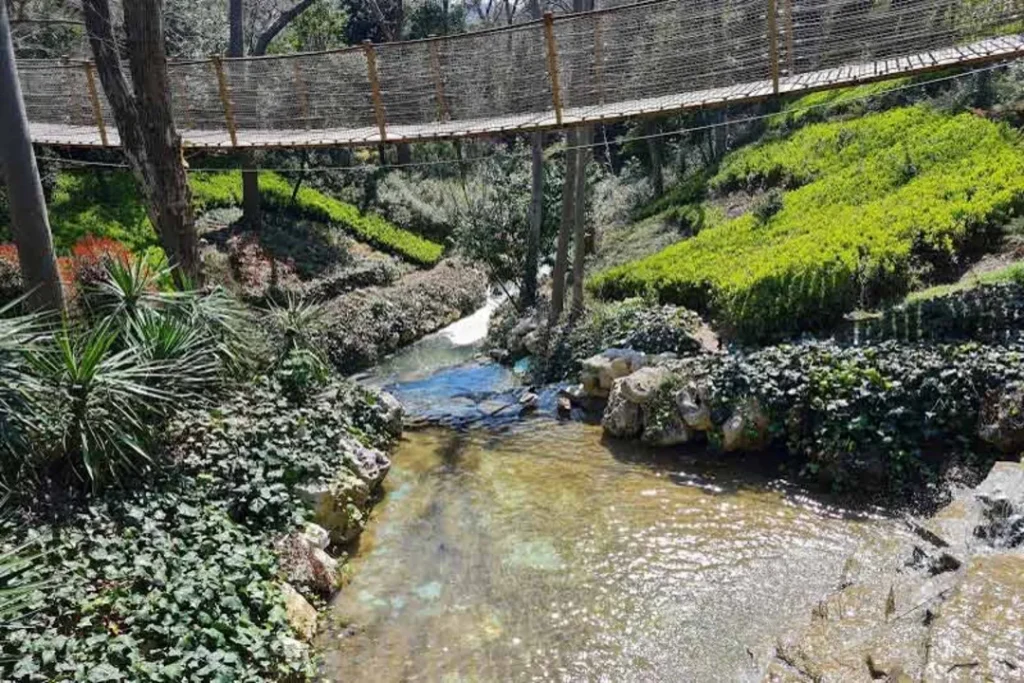
During the 19th century, under Abdulhamid II, the outer garden of the palace, covering 25 hectares, was enclosed by tall walls, separating it from the surrounding woods. An artificial lake, several pavilions, summer houses, and a porcelain factory were established there.
In the early 1600s, this garden became more prominent and was called “Kazanjioglu Garden,” as it belonged to the Kazanjioglu family and was gifted to Kaya Sultan, daughter of Sultan Murad IV.
Over time, several Ottoman dynasty members made changes to the garden, including Mihri Shah Sultan (mother of Sultan Selim III), Sultan Mahmud II, Sultan Abdülaziz Khan, and Sultan Abdulhamid Khan. Mihri Shah Sultan built the first pavilion, attracted by the unique natural beauty of the garden. Later, Sultan Mahmud II built another pavilion. During Sultan Abdülaziz’s reign, more pavilions such as Chadir, Malta, Shaleh, and Talimhane (training house) were added. Of all these, only Chadir, Malta, and Shaleh pavilions remain intact.
Sultan Abdulhamid II moved from Dolmabahce Palace to Yildiz Garden, establishing several small pavilions, the Hamidiye Mosque, and workshops like carpentry and iron casting. He also built a military barracks with a capacity for over 14,000 soldiers and the Talimhane kiosk, so that Kaiser Wilhelm of Germany could easily watch the gate when visiting Istanbul.
Abdulhamid said about this park:
“Every inch of this park was built with gold,”
meaning it was very costly to build.
Parts of Yildiz Park:
Yildiz Park is divided into two sections: the outer section and the porcelain factory. The outer section is open to the public and includes the Shaleh, Chadir, and Malta pavilions. The porcelain factory is still active.
The vegetation includes magnolia, laurel, jacaranda, and Indian chestnut trees, as well as oak, cypress, pine, yew, cedar, and ash trees. There are also two artificial lakes in the outer section.
The highest part of the park is the Yildiz Shaleh, built in 1880 for Sultan Abdulhamid’s hunting. The pavilion was closed for research purposes but is worth visiting when open.
About 500 meters from Shaleh is the Malta pavilion, built in 1870, where Abdulhamid imprisoned his brother. Its terrace overlooks the Bosphorus Strait, and the second-floor dining room is decorated with a chandelier.
A 10-minute walk from the Malta pavilion is the porcelain factory, designed by Italian architect Raimondo D’Aronco, who introduced a new style of art to Istanbul. You can visit the workshop, and porcelain products such as cups, saucers, and mugs with Ottoman sultans’ images are sold there.
Best time to visit:
April is the best time to visit, when spring flowers like tulips bloom.
Opening hours and tickets:
Yildiz Park is open 24/7. If you visit on foot, entrance is free. Parking costs 8 Turkish Lira (as of 2020). The porcelain factory is open from 9 am to 6 pm, Monday to Friday, but closed on weekends and religious holidays.




Leave a Reply